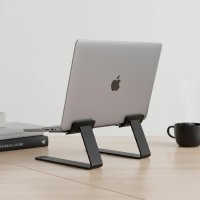
In today’s world, our laptops are often extensions of ourselves, constantly by our side for work, study, and entertainment. But how often do we stop to consider the impact of our laptop usage on our bodies? Hunching over a low screen can lead to a host of issues, from nagging neck pain to persistent backaches. This is where a laptop stand comes in—a simple yet transformative tool that can revolutionize your workspace and significantly enhance your comfort and efficiency. It’s more than just a piece of desk equipment; it’s an investment in your well-being, designed to elevate your screen, improve your posture, and even help your laptop run cooler. Let’s dive deep into why a laptop stand is an absolute game-changer and how to pick the perfect one for your needs.
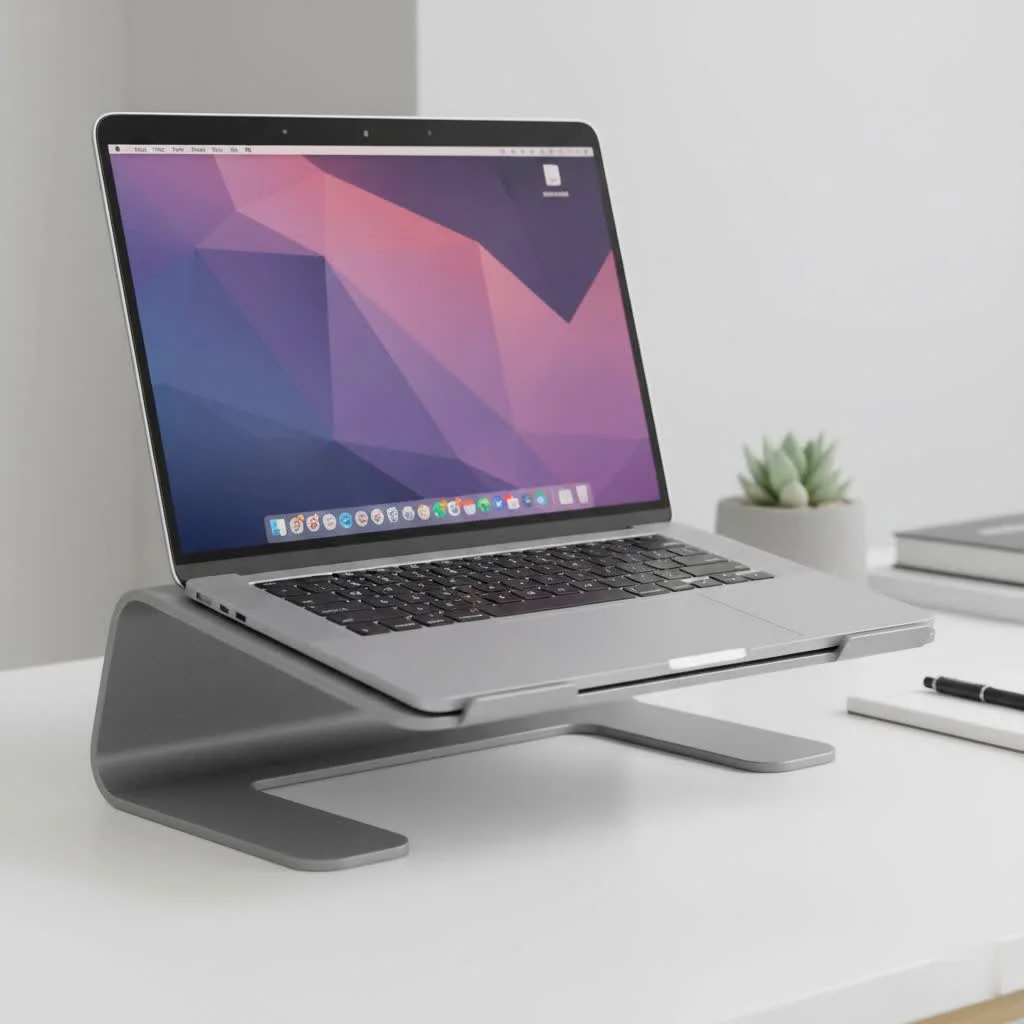
Why Every Laptop User Needs a Stand: The Ergonomics Revolution
Using a laptop stand fundamentally changes your relationship with your device, shifting from a potentially harmful posture to a healthier, more aligned setup. It’s about creating an ergonomic workstation that supports your body naturally.
Say Goodbye to Neck and Back Pain
What’s the primary reason for investing in a laptop stand? It’s all about posture. When your laptop screen is too low, you naturally lean forward, rounding your shoulders and straining your neck. This common habit is a fast track to discomfort. By raising your laptop to eye level, a stand encourages you to sit upright, aligning your spine and alleviating pressure on your neck and upper back. “A laptop stand isn’t just an accessory; it’s an investment in your long-term health and productivity,” says Dr. Anya Sharma, a leading expert in occupational ergonomics. “By elevating your screen to eye level, you naturally encourage a more upright posture, which can significantly reduce the strain on your neck and spine.”
Combat Eye Strain and Improve Focus
Have you ever noticed your eyes feeling tired or dry after a long session on your laptop? Part of the problem might be the angle of your screen. When you’re looking down, your eyes have to work harder, leading to eye strain and even headaches. A laptop stand positions your screen at an optimal viewing height, reducing the need to constantly adjust your gaze. This not only eases eye strain but can also improve your focus and concentration, allowing you to work more comfortably for longer periods.
Keep Your Laptop Cool and Running Smoothly
Laptops, especially when pushed hard, can generate a significant amount of heat. When placed directly on a desk or, worse, on your lap, airflow around the device is restricted, leading to overheating. This isn’t just uncomfortable; it can reduce your laptop’s performance and potentially shorten its lifespan. Most laptop stand designs lift your device, creating crucial space underneath for air circulation, which acts as a natural cooling system. Some even come with integrated fans for an extra cooling boost.
Reclaim Your Desk Space
|
Our Picks for the Best Laptop Stand in 2026
As an Amazon Associate I earn from qualifying purchases.
|
||
| Num | Product | Action |
|---|---|---|
| 1 | Amazon Basics Sturdy and Portable Ergonomic Laptop Stand for Desk, Height Adjustable Riser with Ventilated Cooling, Foldable, Fits all Laptops up to 17.3 Inch, Silver, 10 x 8.7 x 6 in |

|
| 2 | Adjustable Laptop Stand, Computer Stand with 360 Rotating Base, Ergonomic Laptop Riser Mount for Desk Foldable Protable Computer Desk Fits with MacBook Pro Air (10-16\") - Black |
|
| 3 | Adjustable Laptop Stand for Desk, Metal Foldable Laptop Riser Holder, Portable Desktop Book Stands, Ventilated Cooling Computer Notebook Stand Compatible with 10-15.6” Laptops |
|
| 4 | Laptop Stand for Desk, Adjustable Laptop Riser ABS+Silicone Foldable Portable Notebook Holder, Ventilated Cooling Notebook Mount Computer Stand for 10-15.6” Laptops,Tablets-Black |
|
| 5 | acer Laptop Stand for Desk - with 360 Swivel Base, Rotating Laptop Riser for Desk, Adjustable Computer Stand for Laptops, Ergonomic Riser Holder Foldable, Portable MacBook Pro Air (10-16\") - Silver |
|
| 6 | OMOTON 360° Rotating Laptop Stand Riser for Desk, Ergonomic Foldable Computer Stand Adjustable Height Angles for Collaborative Work, Easy Storage Fit Macbooks,All Laptops up to 16 inches, Silver |
|
| 7 | Lamicall Adjustable Laptop Stand, Portable Laptop Riser, Aluminum Laptop Stand for Desk Foldable, Ergonomic Computer Notebook Stand Holder for MacBook Air Pro, Dell XPS, HP (10-17.3\'\') - Silver |
|
| 8 | BESIGN LS03 Aluminum Laptop Stand, Ergonomic Detachable Computer Stand, Notebook Riser Compatible with Air, Pro, Dell, HP, Lenovo More 10-15.6\" Laptops, Silver |
|
| 9 | BESIGN LS03 Aluminum Laptop Stand, Ergonomic Detachable Computer Stand, Riser Holder Notebook Stand Compatible with Air, Pro, Dell, HP, Lenovo More 10-15.6\" Laptops, Black |
|
| 10 | tounee Telescopic Laptop Stand for Desk with 360° Swivel Base, Sit to Stand, Height Adjustable, Portable Riser Holder for Good Posture, Compatible with MacBook Pro, All Laptops 10-17\"-Gray |
|
Beyond the health benefits, a laptop stand can do wonders for your workspace organization. By elevating your laptop, it frees up valuable real estate on your desk. This allows for better cable management, provides space underneath for an external keyboard and mouse when not in use, or simply gives you more room for notebooks, coffee, or whatever else you need to keep close at hand. A tidier desk often translates to a tidier mind, boosting your overall productivity.
Decoding Laptop Stands: Types and Features
The market is flooded with various types of laptop stand designs, each catering to different needs and preferences. Understanding these categories will help you narrow down your choices.
The Versatility of Adjustable Laptop Stands
What are adjustable laptop stands? These are by far the most popular and versatile type, offering multiple height and angle settings.
Adjustable stands are the go-to for anyone looking to fine-tune their ergonomic setup. They allow you to easily modify your laptop’s position to achieve the perfect eye-level alignment, whether you’re sitting, standing (when paired with a desk converter), or even occasionally working from a couch. Their flexibility makes them suitable for various body types and work environments.
Portable & Folding Stands: Your On-the-Go Companion
What are portable laptop stands ideal for? These stands are designed for users who frequently change their workspace or travel.
Portable laptop stands prioritize lightweight construction and a compact, foldable design. They’re usually made from materials like aluminum or sturdy plastic, making them easy to slip into a backpack or laptop bag. While often simpler in their adjustability compared to their desktop counterparts, they offer enough elevation to significantly improve ergonomics on the move, ensuring you can maintain good posture wherever you are.
Cooling Laptop Stands: Beating the Heat
When should you consider a cooling laptop stand? If your laptop frequently overheats during intensive tasks, a cooling stand can be a lifesaver.
These specialized laptop stand models incorporate active cooling elements, typically one or more fans, to actively dissipate heat from your laptop’s underside. While they tend to be bulkier and sometimes require a USB connection for power, they are invaluable for gamers, video editors, or anyone who pushes their laptop to its limits and wants to prevent performance throttling and potential hardware damage.
Fixed-Height Stands: Simple Yet Effective
What’s the main advantage of a fixed-height laptop stand? They offer straightforward elevation and excellent stability without the need for adjustments.
Fixed-height stands are the simplest form of laptop stand. They come at a predetermined height and angle, making them incredibly stable and often more aesthetically minimalist. While they lack the customization of adjustable models, they are an excellent choice if you have a consistent desk setup and know exactly what height works for you. They are often very durable and can be a more budget-friendly option.
How to Choose the Perfect Laptop Stand for You
Selecting the right laptop stand involves considering several factors that align with your work habits, setup, and personal preferences. Think about these key aspects before making a decision.
Adjustability: Your Key to Custom Comfort
Why is adjustability important for a laptop stand? The ability to modify height and angle ensures you can achieve an optimal ergonomic position for your unique body and desk setup.
Look for stands that offer a wide range of height and tilt adjustments. This flexibility is crucial for placing your screen at eye level, which is typically the top third of your screen level with your eyes. An adjustable laptop stand allows you to experiment with different settings to find what feels most comfortable and supportive for your neck and shoulders, especially if you share a workspace or frequently change your chair.
Material Matters: Aluminum, Plastic, or Wood?
What are the pros and cons of different laptop stand materials? Each material offers distinct benefits regarding durability, weight, heat dissipation, and aesthetics.
- Aluminum: Lightweight, strong, excellent for heat dissipation (acts as a natural heatsink), and often has a premium look. It’s a popular choice for its balance of function and form.
- Plastic: Generally more affordable and lighter, but may feel less sturdy and offer less heat dissipation. Good for budget-conscious or very portable options.
- Wood: Offers a warm, natural aesthetic, can be sturdy, but typically heavier and doesn’t aid in cooling. Often chosen for specific desk aesthetics.
Stability and Weight Capacity: No Wobbly Woes
How can I ensure my laptop stand is stable? Check the stand’s base, construction, and stated weight capacity.
A wobbly laptop stand is not only annoying but can be risky for your device. Ensure the stand has a wide, stable base and is constructed from robust materials. It should securely hold your laptop without any rocking or sliding. Always check the manufacturer’s specified weight capacity to ensure it can safely support your particular laptop model. Non-slip pads on both the base and where the laptop rests are also essential.
Portability: Are You a Mover or a Stayer?
Should I prioritize portability in a laptop stand? Yes, if you frequently move your workstation or travel with your laptop.
If your workspace is fluid—perhaps you work from different rooms, cafés, or travel often—a lightweight, foldable, or easily disassemblable laptop stand is paramount. These designs are often sleek and can fit into a bag without adding significant bulk. However, if your stand will live permanently on your desk, portability becomes less of a concern, and you can opt for heavier, more robust models.
Compatibility: Finding the Right Fit for Your Laptop
What should I consider for laptop compatibility with a stand? Ensure the stand’s size and design can safely accommodate your laptop’s dimensions.
Most laptop stand models are designed to accommodate a wide range of laptop sizes, typically from 11-inch ultrabooks up to 17-inch gaming machines. However, it’s always wise to double-check the product specifications. Some larger laptops might feel less stable on smaller stands, while very small laptops might get lost on a massive stand. Also, consider the thickness of your laptop; some stands have clamps or lips that might not suit exceptionally thin or thick devices.
Extra Features That Make a Difference
What additional features should I look for in a laptop stand? Consider options like cable management, integrated hubs, or even phone holders.
Many laptop stand designs come with thoughtful extras. Integrated cable management channels can keep your desk tidy and wires out of the way. Some stands include built-in USB hubs or even dedicated slots for a smartphone or tablet, enhancing your workstation’s functionality. While not strictly necessary, these features can significantly improve your overall user experience and workflow.
Mastering Your Laptop Stand: Setup and Maintenance Tips
Getting the most out of your laptop stand isn’t just about buying one; it’s about setting it up correctly and maintaining it over time.
The Ideal Ergonomic Setup: Screen, Keyboard, Mouse
How do I set up my laptop stand for optimal ergonomics? The key is to raise your screen to eye level and use external peripherals.
Once your laptop is on the stand, adjust its height so that the top third of your screen is level with your eyes. Your gaze should naturally fall to the center of the screen without tilting your head up or down. Because your laptop’s keyboard and trackpad will now be elevated, it’s crucial to use an external keyboard and mouse. Position these peripherals directly in front of you, ensuring your forearms are parallel to the floor and your wrists are straight. This setup is the gold standard for reducing strain and promoting healthy posture.
Simple Steps for Proper Use
- Elevate to Eye Level: Adjust your stand so the top of your laptop screen is roughly at eye level.
- External Peripherals: Always use a separate keyboard and mouse. Typing directly on an elevated laptop can strain your wrists.
- Correct Seating: Sit with your feet flat on the floor, back supported, and shoulders relaxed.
- Regular Breaks: Even with the best setup, remember to take short breaks every 30-60 minutes to stretch and move around.
Keeping Your Stand in Top Shape
Maintaining your laptop stand is straightforward. Regularly wipe it down with a damp cloth to remove dust and grime. If it has moving parts, occasionally check screws and hinges to ensure they are tight and functioning smoothly. For cooling stands, periodically clean the fan vents to prevent dust buildup, which can impede airflow. A well-maintained stand will continue to provide stable support and ergonomic benefits for years to come.
What Makes a Top Laptop Stand Truly Outstanding?
While there are countless laptop stand models available, the truly outstanding ones share common characteristics that elevate them above the rest. These aren’t necessarily the most expensive, but rather those that offer a superior balance of design, function, and user experience.
A top-tier laptop stand provides exceptional stability, ensuring your expensive device is held securely without any wobble or risk of tipping. It will feature intuitive and smooth adjustability, allowing for effortless customization to achieve your perfect ergonomic height and angle. The best stands are often crafted from high-quality, durable materials like aircraft-grade aluminum, which not only provides robust support but also aids in passive heat dissipation and complements the aesthetic of modern laptops. Thoughtful design elements such as integrated cable management, non-slip silicone pads, and a minimalist footprint that maximizes desk space are hallmarks of an excellent product. Ultimately, an outstanding laptop stand isn’t just a functional accessory; it’s an extension of a well-considered workspace, blending seamlessly into your environment while significantly improving your comfort, health, and productivity.
Frequently Asked Questions
Q: Do laptop stands really help with posture?
A: Absolutely! By elevating your laptop screen to eye level, a laptop stand helps you maintain a straight spine and prevents you from hunching over, which significantly reduces strain on your neck, back, and shoulders. It’s a fundamental step towards an ergonomic setup.
Q: Can I use a laptop stand without an external keyboard?
A: While technically possible, it’s generally not recommended for extended use. When your laptop is elevated, typing directly on its keyboard can lead to an awkward wrist angle, potentially causing discomfort or even repetitive strain injuries. Using an external keyboard and mouse alongside your laptop stand creates the most ergonomic and comfortable setup.
Q: What’s the best material for a laptop stand?
A: The “best” material depends on your priorities. Aluminum is a popular choice for its lightweight durability, sleek appearance, and excellent heat dissipation properties. Plastic stands are often more affordable and lighter for portability, while wooden stands offer a warm, aesthetic appeal, though they are typically heavier and don’t aid in cooling.
Q: How high should my laptop screen be?
A: For optimal ergonomics, the top third of your laptop screen should be roughly at eye level. This allows your gaze to naturally fall to the center of the screen without you having to tilt your head up or down, minimizing neck strain and promoting a healthy posture.
Q: Are cooling stands necessary?
A: Cooling stands are particularly beneficial if your laptop tends to overheat during intensive tasks like gaming, video editing, or graphic design. While all laptop stand types improve airflow, active cooling stands with fans provide an extra layer of heat dissipation, which can extend your laptop’s lifespan and prevent performance throttling.
Q: Can a laptop stand damage my laptop?
A: When chosen and used correctly, a laptop stand will not damage your laptop. In fact, by improving airflow, it can help prevent overheating, which can prolong your laptop’s lifespan. Ensure the stand is stable, has adequate weight capacity, and features non-slip pads to keep your device secure.
Elevate Your Work, Elevate Your Well-being
Investing in a laptop stand is one of the simplest yet most impactful upgrades you can make to your daily routine. It’s not just about a clearer desk; it’s about a clearer mind, a healthier body, and a more productive workflow. From mitigating the common aches and pains of poor posture to ensuring your trusty laptop stays cool under pressure, the benefits are undeniable. By understanding the different types, knowing what to look for, and setting it up correctly, you’re not just buying a piece of equipment—you’re embracing a smarter, healthier way to interact with your technology. So, take the leap, find the perfect laptop stand for you, and transform your workspace into a hub of comfort and efficiency. Your neck, back, and productivity will thank you!
Get our weekly buyer guide
Practical specs, not advice. Unsubscribe anytime.