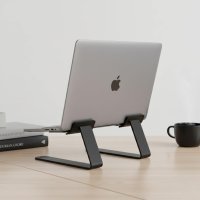
If you’re reading this, chances are you spend a significant portion of your day hunched over a laptop. That familiar ache in your neck, the strain in your shoulders, and the tired feeling in your eyes—they’ve become an accepted part of modern work. But what if the solution wasn’t a series of stretches or a new chair, but something much simpler? A laptop computer stand for desk is one of the most transformative yet underrated tools for anyone who uses a portable computer as their primary workstation. It’s an investment not just in your workspace, but in your long-term health and productivity.
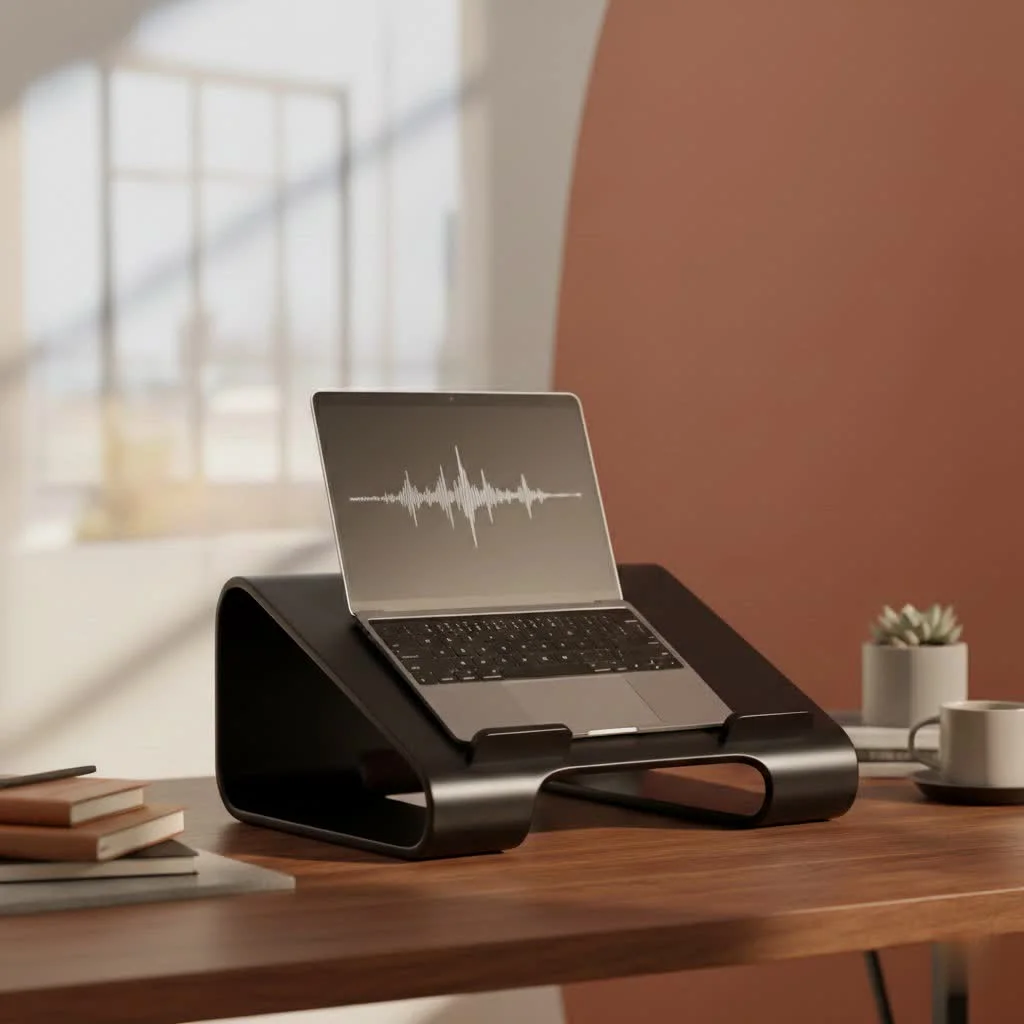
At Wweaw, we’ve spent over a decade analyzing the ergonomics and design of workplace accessories, and we’re here to demystify the world of laptop stands. This guide will walk you through everything you need to know, from the crucial health benefits to the practical steps for selecting the perfect stand for your needs.
Why Do You Even Need a Laptop Stand? More Than Just an Accessory
Many people view a laptop stand as a non-essential accessory, but its impact is profound. Laptops were designed for portability, not for prolonged ergonomic use. Their attached screen and keyboard force you into a compromised posture. A dedicated stand corrects this fundamental design flaw.
Championing Better Posture and Reducing Pain
The primary benefit of using a laptop stand is ergonomic. By elevating your screen to eye level, you eliminate the need to crane your neck downwards. This single adjustment helps maintain a neutral spine, drastically reducing the risk of chronic neck pain, backaches, and tension headaches. It encourages you to sit up straight, aligning your shoulders and spine correctly.
Boosting Productivity and Focus
When you aren’t constantly shifting in your seat to find a comfortable position or fighting off nagging pain, your ability to concentrate skyrockets. An ergonomic setup minimizes physical distractions, allowing you to enter a state of deep work more easily. Furthermore, a well-organized desk with a stand creates a more professional and focused environment, signaling to your brain that it’s time to be productive.
Improving Laptop Health with Better Airflow
Laptops generate heat, and their internal fans work hard to dissipate it. Placing your device flat on a desk can obstruct its ventilation ports, causing it to overheat. This not only slows down performance but can also shorten the lifespan of its internal components. A laptop computer stand for desk lifts the machine, allowing for 360-degree airflow that keeps it running cool and efficient.
What Are the Main Types of Laptop Stands for Desks?
Laptop stands aren’t one-size-fits-all. They come in various designs, each catering to different needs and work styles. Understanding the main categories is the first step toward finding your perfect match.
Adjustable Stands: The All-Rounder
|
Our Picks for the Best Laptop Stand in 2026
As an Amazon Associate I earn from qualifying purchases.
|
||
| Num | Product | Action |
|---|---|---|
| 1 | Laptop Stand for Desk, Adjustable Laptop Riser ABS+Silicone Foldable Portable Notebook Holder, Ventilated Cooling Notebook Mount Computer Stand for 10-15.6” Laptops,Tablets-Black |

|
| 2 | Adjustable Laptop Stand for Desk, Metal Foldable Laptop Riser Holder, Portable Desktop Book Stands, Ventilated Cooling Computer Notebook Stand Compatible with 10-15.6” Laptops |
|
| 3 | OMOTON 360° Rotating Laptop Stand Riser for Desk, Ergonomic Foldable Computer Stand Adjustable Height Angles for Collaborative Work, Easy Storage Fit Macbooks,All Laptops up to 16 inches, Silver |
|
| 4 | Lamicall Adjustable Laptop Stand, Portable Laptop Riser, Aluminum Laptop Stand for Desk Foldable, Ergonomic Computer Notebook Stand Holder for MacBook Air Pro, Dell XPS, HP (10-17.3\'\') - Silver |
|
| 5 | acer Laptop Stand for Desk - with 360 Swivel Base, Rotating Laptop Riser for Desk, Adjustable Computer Stand for Laptops, Ergonomic Riser Holder Foldable, Portable MacBook Pro Air (10-16\") - Silver |
|
| 6 | BESIGN LS03 Aluminum Laptop Stand, Ergonomic Detachable Computer Stand, Notebook Riser Compatible with Air, Pro, Dell, HP, Lenovo More 10-15.6\" Laptops, Silver |
|
| 7 | Adjustable Laptop Stand, Computer Stand with 360 Rotating Base, Ergonomic Laptop Riser Mount for Desk Foldable Protable Computer Desk Fits with MacBook Pro Air (10-16\") - Black |
|
| 8 | BESIGN LS03 Aluminum Laptop Stand, Ergonomic Detachable Computer Stand, Riser Holder Notebook Stand Compatible with Air, Pro, Dell, HP, Lenovo More 10-15.6\" Laptops, Black |
|
| 9 | Amazon Basics Sturdy and Portable Ergonomic Laptop Stand for Desk, Height Adjustable Riser with Ventilated Cooling, Foldable, Fits all Laptops up to 17.3 Inch, Silver, 10 x 8.7 x 6 in |
|
| 10 | tounee Telescopic Laptop Stand for Desk with 360° Swivel Base, Sit to Stand, Height Adjustable, Portable Riser Holder for Good Posture, Compatible with MacBook Pro, All Laptops 10-17\"-Gray |
|
These are the most popular and versatile options. Adjustable stands allow you to fine-tune both the height and angle of your laptop, providing a customized ergonomic setup. They are ideal for users who want precise control over their viewing level or share a desk with others. Their flexibility makes them a top choice for a permanent home office.
Portable Stands: Your On-the-Go Companion
For the digital nomad, student, or hybrid worker, a portable stand is a game-changer. These are typically lightweight, foldable, and designed to fit easily into a backpack alongside your laptop. While they may offer slightly less stability than their stationary counterparts, the benefit of having an ergonomic setup wherever you go—be it a coffee shop, library, or co-working space—is invaluable.
Fixed-Height Stands: Simplicity and Stability
Fixed-height stands, often made from a single piece of aluminum or bent wood, offer a simple and elegant solution. They raise the laptop to a standard ergonomic height. While they lack adjustability, they are incredibly stable and often feature a minimalist aesthetic that complements a modern desk setup. They are a great “set it and forget it” option for users with a consistent desk and chair height.
Stands with Extra Features
Some stands go beyond simple elevation. You can find models equipped with built-in cooling fans to provide active thermal management for high-performance laptops. Others may include integrated USB hubs or docking stations to help manage cables and connect peripherals, creating a streamlined and clutter-free workspace.
How to Choose the Perfect Laptop Computer Stand for Your Desk
With the types understood, how do you narrow down the choices? Focus on these four key factors to ensure you select a stand that truly fits your workflow and equipment.
Ergonomics First: Adjustability is Key
The core purpose of a stand is to improve your posture. Therefore, the most critical feature is its ability to place your screen at the correct height. Look for a stand that allows the top of your screen to be level with your eyes. If you use different chairs or desks, an adjustable model is almost always the superior choice.
“The golden rule of screen ergonomics is to keep your gaze horizontal. A laptop stand makes this possible. Without it, you are almost guaranteed to be looking down, putting immense strain on your cervical spine over time.” – Dr. Alistair Finch, Ergonomics Consultant
Material Matters: Aluminum, Plastic, or Wood?
The material affects the stand’s stability, aesthetics, and portability.
- Aluminum: The most popular choice. It’s strong, lightweight, and excellent at dissipating heat. It offers a premium look and feel.
- Plastic: Often found in more affordable and portable models. High-quality ABS plastic can be very durable, but cheaper versions may lack stability.
- Wood/Bamboo: Offers a warm, natural aesthetic. These stands are sturdy and environmentally friendly but are typically heavier and not designed for travel.
Size and Stability: Will It Hold Your Laptop?
Check the stand’s specifications to ensure it can support your laptop’s size and weight. A stand that is too small or flimsy for a heavy 17-inch gaming laptop will wobble and present a safety risk. Look for features like rubber or silicone pads on the surface and base to prevent your laptop from slipping and to protect your desk from scratches.
Portability: A Factor for Hybrid Workers
If you work from multiple locations, portability is non-negotiable. Look for stands that are specifically designed to be folded down into a compact shape. Pay attention to the weight and whether it comes with a carrying pouch. For a purely stationary desk, you can prioritize stability over portability.
Setting Up Your Laptop Stand for Optimal Ergonomics
Buying the stand is only half the battle; using it correctly is what unlocks its benefits. Follow these simple steps:
- Position the Stand: Place the stand on your desk, ideally about an arm’s length away from you.
- Elevate Your Screen: Adjust the height so that the top bezel of your laptop screen is at or slightly below your eye level. You shouldn’t have to tilt your head up or down to see the screen comfortably.
- Use an External Keyboard and Mouse: This is a crucial and often overlooked step. A laptop stand renders the built-in keyboard and trackpad unusable from an ergonomic perspective. Always pair your stand with an external keyboard and mouse to keep your wrists and arms in a neutral, relaxed position.
- Check Your Posture: Sit with your back straight, your feet flat on the floor, and your elbows bent at a comfortable 90-degree angle as you type. Your setup should work for you, not the other way around.
Frequently Asked Questions (FAQ)
Do I still need an external keyboard and mouse with a laptop stand?
Yes, absolutely. To achieve a truly ergonomic setup, an external keyboard and mouse are essential. Using the laptop’s built-in keyboard while it’s on a stand would force your arms and wrists into an awkward, raised position, creating a new set of ergonomic problems.
Can a laptop stand damage my device?
A well-designed stand will not damage your laptop. In fact, it helps protect it by improving ventilation and reducing the risk of overheating. Ensure the stand has soft, non-scratch materials like silicone or rubber where it contacts your device to prevent cosmetic scratches.
Are plastic laptop stands any good?
High-quality plastic stands can be very effective, especially for portability. They are lightweight and often more affordable. However, for heavier laptops or for users who prioritize maximum stability on a permanent desk, a metal or wood stand is generally a better long-term investment.
How high should my laptop screen be?
The ideal height is when the top edge of the screen is at or just below your eye level. This allows you to look forward at the screen without bending your neck. Your exact height will depend on your own height, your chair, and your desk.
Can I use a laptop stand on my lap?
While some products are designed for this, a traditional laptop computer stand for desk is not meant to be used on your lap. It needs a flat, stable surface to function correctly. Using it on an unstable surface could risk your laptop falling.
Your Next Step Toward a Healthier Workday
A laptop computer stand for desk is more than a simple piece of plastic or metal; it is a fundamental tool for health, comfort, and performance in the modern workplace. By elevating your screen to its proper height, you take a powerful step toward eliminating neck and back pain, improving your focus, and even extending the life of your device.
Consider your work habits, your equipment, and your environment. Whether you choose a highly adjustable model for your home office or a sleek, portable stand for your travels, making this small change to your setup will pay dividends for years to come.
Get our weekly buyer guide
Practical specs, not advice. Unsubscribe anytime.